
Gambling and betting
Credit, debt and hidden spending: beginning to recover financial stability after gambling
Stopping gambling matters when bets are consuming money needed for everyday life. Yet old obligations do not disappear on the day of the last bet.
What this article covers
Stopping gambling matters when bets are consuming money needed for everyday life. Yet old obligations do not disappear on the day of the last bet. A creditor's letter, a payment kept from a partner, a housing shortfall, or fear of finding out the total may remain. These problems can be approached in parts. You do not have to demonstrate a perfect record of not gambling before asking about debt, or settle every account before seeking gambling support.
This article offers first steps for adults and people close to them. It cannot determine which particular debt to pay first. Law, banking tools and support services vary by location. If food, shelter, safety or life is at risk today, seek immediate local help first; a complete debt inventory can wait.
I. The letter you dread opening
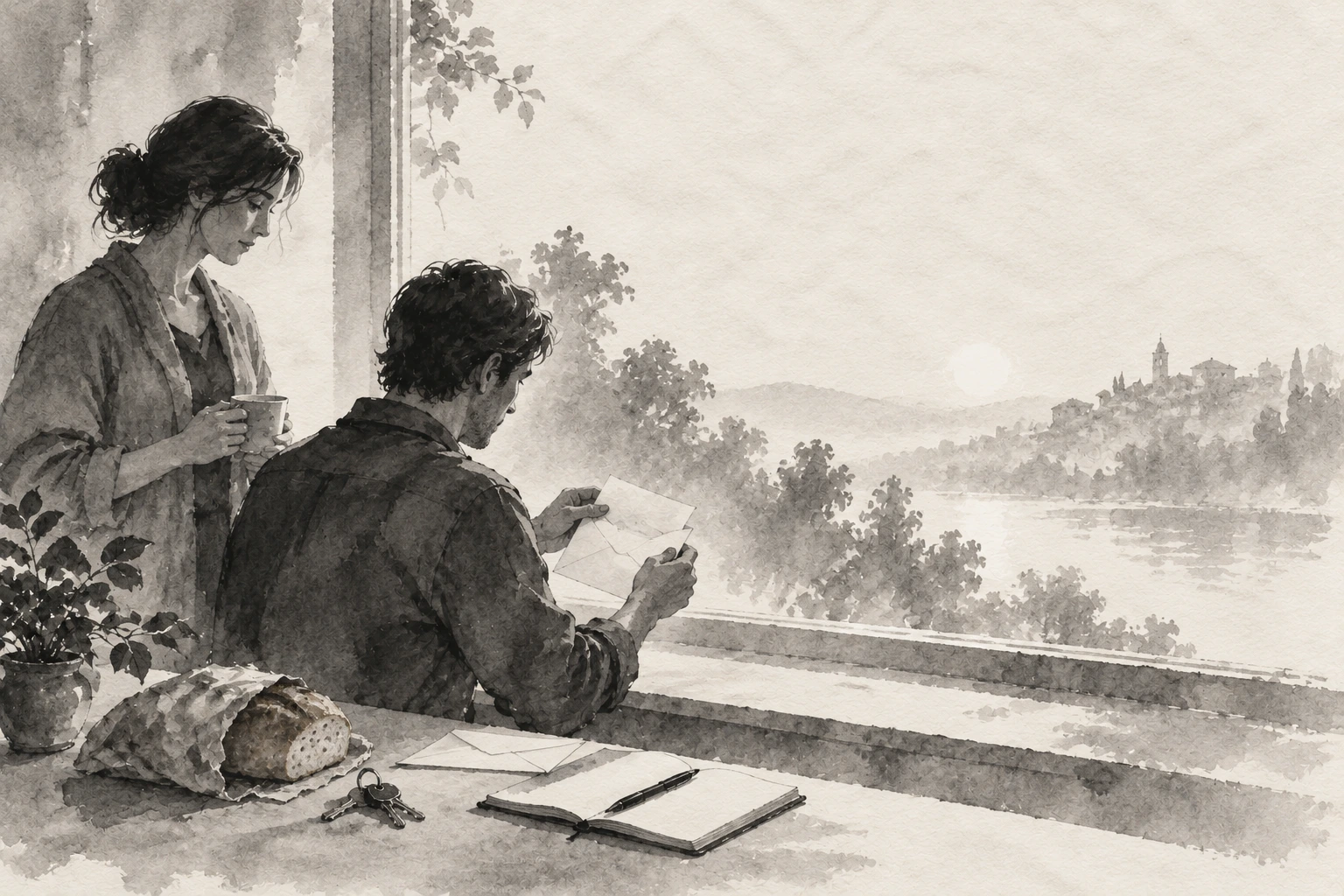
Imagine an ordinary evening. Someone has stopped gambling but receives notice of an overdue payment. Opening it feels as if they must confess everything and solve their entire financial life in an hour. They put it aside. By morning, the uncertainty feels heavier, even though postponing the letter did not change what is owed.
A first step can be much smaller: read the document somewhere safe and note who sent it, which of your own obligations it concerns, and whether it gives a response date. You do not need to enter an account number, password or full statement into an article. You also do not need to invent an amount you do not yet know. If a demand is unclear or disputed, ask an appropriate adviser in your location rather than accepting it out of fear.
In a University of Bristol study, interviews with clients of a UK debt charity and affected relatives described shame, secrecy and difficulty asking for help. These are accounts from particular participants. They do not mean everyone conceals a debt or owes the public a confession. A letter alone is not a diagnosis.
II. Stopping new bets does not erase existing debt
Deciding against another bet prevents a new gambling expense at that moment. It does not cancel existing payments, contracts or the cost of daily life. Recovery therefore has at least two financial parts: reducing opportunities for further gambling expenditure and making sense of obligations already in place. Where feasible and safe, the work can proceed together.
The Bristol report on gambling and problem debt analysed records for 206,241 clients of one UK debt service in 2019–2021 and conducted 30 interviews, including interviews with affected others. A gambling flag meant that a problem had been disclosed to that service; it was neither a diagnosis nor a measure of how common gambling disorder is among all people in debt. Participants reached debt advice and gambling support through different routes. The study cannot establish a single required order in which everyone must seek them.
Trying to win back what is owed can feel like a quick rescue plan. Another bet, or borrowing to place it, instead adds an uncertain financial decision to a hard situation. Debt advice has value even while someone is still trying to understand what gambling has meant to them and how to stay away from it.
III. Separate what is known, unknown and disputed
You do not need an exact grand total to begin a conversation. Three distinctions may help more: what your own accessible documents confirm; what must be checked with a creditor, bank or adviser; and what you dispute. A bank statement might show a charge and a letter might request payment, without either document alone explaining fees, dates or the legal basis of the demand. Do not obtain another person's account records without their permission.
The UK Gambling Commission explains how people in Great Britain can view their own gambling account history and available restrictions. Where you can lawfully see such a history, it may help compare past gambling transactions with your own bank records. The history may be incomplete and does not replace credit documents. There is no need to place a new bet to “check” an account or see whether a loss can be recovered.
If the amount is frightening, mark it “to verify” instead of creating false precision from memory. Keep documents only where it is safe to do so, and ask a professional how they securely receive the information they actually need. This article asks for no statements or identifying financial details.
IV. Look at immediate needs and consequences
When there is not enough money for everything, consider more than each balance. Which missed payment could soon affect food, shelter, medical care, work or safety? This is not a universal ranking of debts: contracts, local law, household circumstances and deadlines differ. A hoped-for winning bet is not a reliable way to cover an essential bill.
The UK public service MoneyHelper's guidance on gambling and debt connects necessary living costs, debt advice and protection from further gambling expenditure. Its broader debt guidance suggests assembling known payments and dates before discussing options with an adviser. British legal categories and solutions do not automatically apply elsewhere.
For someone who can already see that a credit-card payment will be unaffordable, the US Consumer Financial Protection Bureau advises contacting the creditor before falling further behind and asking what options exist. That is US guidance, not a promise of a delay or write-off and not a rule for every contract. A local debt adviser can help assess whom to contact and when in your circumstances.
V. Reduce access to further gambling spending
While you clarify existing obligations, you can make the next bet less immediately available: end an open session without a “test” bet, reduce invitations to return, and ask about restrictions you can choose for yourself. The UK Gambling Commission's information about bank payment blocks describes features offered by some British banks. Elsewhere, ask your own bank whether a gambling transaction restriction exists, which transactions it covers, and how it can be activated or removed. Availability and completeness cannot be assumed.
If extra credit is currently a route to betting, you can discuss limits on your own products with a bank or local adviser. That does not mean closing an account without understanding how it affects income, housing payments or other obligations. A bank filter is not a flawless shield, and trying to bypass it for one last chance adds risk.
For someone worried about old debt, an access barrier is only one part of the response. It does not replace a conversation about deadlines, income and essential spending. It also gives a relative no right to take an adult's phone, password or money without consent and lawful grounds.
VI. Where to take questions about debt and gambling
A debt adviser can help examine demands, deadlines, local options and the consequences of decisions. Gambling support addresses returning to bets, emotional strain and relationships. These roles can complement one another; neither should be an entrance test for the other. NHS England discusses gambling-related help alongside bills and debt, but the services it describes have English eligibility rules.
Before choosing a debt adviser locally, check who licenses, regulates or recognises them in your jurisdiction, what their services cost, how they protect documents, and with whom they share information. Before signing an agreement, ask them to explain the cost and possible consequences of a proposal. The US CFPB warns US consumers about firms that promise debt will vanish; in another country, a similar promise is reason to check carefully, not itself a legal finding. Do not take a new loan merely because an intermediary calls it a solution.
Choose the order of contacts by what is urgent. If an essential payment is at risk tomorrow, begin with local financial or social assistance. If resisting gambling is especially difficult today, seek gambling support as well. Both conversations may be needed on the same day. A person need not first tell their entire private history to deserve a practical answer about a payment.
VII. Hidden costs and the boundaries of family help
Hidden payments can damage trust, but a public confession is not a financial plan. Adults whose money or obligations are affected can aim for a specific, safe conversation: what is documented, which payment affects shared essentials, what still needs checking, and what help each person agrees to offer. “I will never do it again” is not a substitute for addressing the nearest concrete problem.
A small Japanese interview study of six family members described secrecy, self-blame and pressure to rescue someone financially. Six selected experiences do not represent every family or prove that contributing money is always right or wrong. A relative may lawfully protect their own funds and essential expenses. Shared accounts, joint obligations and changes in access require the owners' consent and, where uncertain, local legal or debt advice. There is no automatic duty to pay every debt another adult owes.
Children should not be monitors of a parent's gambling, messengers between adults or keepers of financial secrets. Secretly tracking an adult, confiscating their phone or demanding passwords is not a reliable route to trust. Coerced borrowing, use of another person's identity or funds, threats and violence raise separate questions of safety and rights. The WHO overview of gambling includes family harm and violence among possible harms; it does not diagnose a particular household. Protection can begin whether or not the other person is ready to discuss gambling.
VIII. Five anchors for a first conversation
For a professional appointment or a calm conversation at home, use only what is already known. These optional anchors are neither a screening scale nor a demand for a complete archive:
- Which essential expense or safety concern needs attention now?
- What is the nearest confirmed payment and date, if either is known?
- What do your own documents show, and what still needs to be asked?
- Is there gambling or credit access that you personally want to restrict today?
- Who would be safe to ask first: your bank, a local debt adviser, a gambling support service or someone close to you?
Answering one question may be enough to begin. None measures the severity of a disorder or determines a legal strategy. Hope of recovering a loss, fear for a family and shame are real experiences. They do not make a bet a dependable source of income, and they do not make a need for help a character flaw.
IX. One next step, with safety first
If nothing is immediately dangerous, choose one manageable action: open your own letter and note the date, ask your bank about gambling payment restrictions, or find a debt service recognised where you live and ask about access and cost. Then choose the next action. You need not defeat an entire debt in one evening. For their UK audiences, MoneyHelper and the NHS show that financial and gambling support can be sought separately or together; check what exists locally.
If someone has no safe place to sleep or food, or faces violence, self-harm or danger to life, contact a local emergency, crisis or social service and a safe person nearby now. Completing a creditor list, finding meaning in a loss or proving how serious the gambling is can wait. It is possible to ask for help while the figures are incomplete.
Sources and limits
- Sara Davies, Jamie Evans, Sharon Collard. Exploring the links between gambling and problem debt. University of Bristol Personal Finance Research Centre, October 2022. Research report on clients of one UK debt service and interviews; neither a population estimate nor a trial of debt solutions.
- Naoko Takiguchi, Yuko Kawanishi, Eva Samuelsson. Secrecy, self-blame and risks for social exclusion—Family members’ experiences of gambling problems in Japan. Frontiers in Psychiatry, 13 October 2022. Qualitative interviews with six family members in Japan; not representative of all households.
- MoneyHelper / UK Money and Pensions Service. Tackling problem gambling and debt. Official UK guidance, no date shown on the page; legal and financial details require local checking.
- MoneyHelper / UK Money and Pensions Service. Help if you’re struggling with debt. Official UK guidance, no date shown on the page; options and obligations vary by jurisdiction.
- UK Gambling Commission. View playing history and restrict or block gambling activity. Official page, updated 12 November 2024; account features and rights are described for Great Britain.
- UK Gambling Commission. Block gambling payments with your bank. Official page, updated 25 February 2025; examples concern UK banks, and the coverage of any block must be checked with one's own bank.
- US Consumer Financial Protection Bureau. What should I do if I can’t pay my credit card bills? Official US explanation, updated 2 September 2026; options depend on the contract and jurisdiction.
- NHS England. Help for problems with gambling. Official guidance for England, reviewed 8 December 2023; service eligibility is local.
- World Health Organization. Gambling. Health and family-risk fact sheet, 2 December 2024; a general overview cannot describe an individual case.
Topics
gambling; gambling debt; credit; hidden spending; financial stability; debt advice; bank restrictions; family boundaries; consent; financial coercion; essential expenses; local help.
Authors
Andrey Zarinsh is an author and founder of United Wisdom. He explores inner transformation, unity of traditions, intercultural dialogue and contemporary spiritual discipline. Instagram: @andrey.zarinsh.
Maria Evilkut is a co-author of United Wisdom. Alongside her research, she tries these ideas in practice and observes how unity and mutual understanding work in real relationships across people and cultures. Instagram: @ilkutki.
Content review date: 14 October 2026. Language version: EN.